


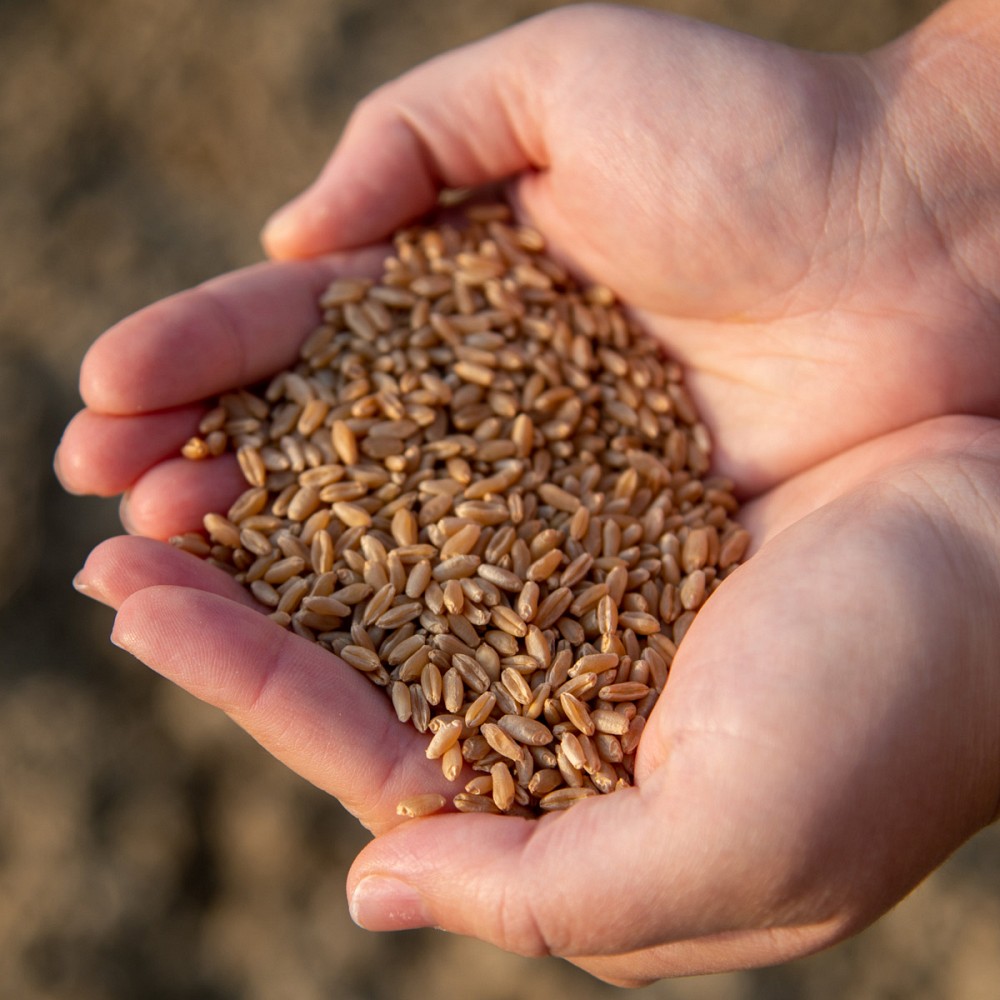
Dietitian Elisa Bazzucchi guides us through the benefits of Bio Maltento pasta and high-quality durum wheat semolina, essential for a healthy and balanced diet.
"A cornerstone of the Mediterranean diet and a fundamental nutrient in our daily diet, carbohydrates are often criticized and excluded from eating habits because they are mistakenly believed to increase glycemic index, leading to higher blood sugar levels and weight gain, post-meal heaviness, digestive difficulties, and/or bloating. However, these symptoms and signs can be true only when referring to baked goods or flours obtained from low-quality wheat, especially when subjected to multiple refining processes to create the final commercial product. Since the beginning of my university and professional journey, I have always been dedicated to food education, environmental sustainability, and food waste, as I believe that choosing the right food and raw materials is the foundation of a healthy lifestyle. I am Elisa Bazzucchi, a Dietitian and Specialist in Nutrition Sciences."
Let's answer some questions often posed to nutrition specialists:
How can we identify a high-quality product, specifically high-quality semolina?
"First, I would like to focus on the nutritional aspect of durum wheat semolina, which Bio Maltento Agricultural Company produces using slow stone milling, creating different types of stone-milled, bronze-drawn pasta dried slowly. Bio Maltento Agricultural Company is a producer of high-quality wheat. It provides a good source of complex carbohydrates and high biological value proteins, with fats present in small quantities. It has a high content of fiber, vitamins, and minerals. The bronze-drawing and slow drying processes enhance the pasta's quality by preserving its high protein, mineral, and vitamin content."
Why should we consume wholemeal semolina?
"Wholemeal durum wheat semolina is characterized by its fiber content, which:
- Promotes intestinal health by regulating bowel movements, both in adults and children;
- Encourages the growth of specific "positive" bacteria residing in the colon;
- Modulates glycemic spikes after meals;
- Increases satiety."
Are there conditions requiring the consumption of complex carbohydrates like semolina? Can it contribute to overall well-being?
"The nutritional properties of these flours have scientifically proven benefits when used in specific health conditions and as part of a healthy diet:
- For individuals with insulin resistance and/or diabetes, as it allows for a slow release of glucose into the bloodstream, avoiding glycemic spikes;
- For those with irritable bowel syndrome or altered intestinal motility, needing high-quality fiber intake;
- For individuals with hypercholesterolemia, thanks to its high fiber content;
- For maintaining a healthy body weight by modulating glycemic spikes."
What are the most important properties of wholemeal durum wheat semolina?
"In summary, its main properties are:
- Rich in fiber, crucial for satiety, intestinal regularity, and glycemic index modulation;
- Rich in complex carbohydrates, providing a slow-release energy source;
- Rich in high biological value proteins, a key factor in identifying quality pasta;
- Rich in vitamins and minerals;
- Rich in carotenoids that combat free radical formation."
Is whole wheat recommended for children?
"Children's diets should include high-quality, unrefined foods, favoring simple products over overly processed ones. The whole family can benefit from a healthier, more natural diet, making it an excellent idea to introduce whole grains. For fiber intake in children, I recommend alternating high-fiber cereals with those of medium or low fiber content to help adapt their gastrointestinal system."
Are there conditions where whole grain foods should be avoided?
"In general, individuals who should be cautious about consuming whole grains include:
- Patients with celiac disease who cannot consume wheat;
- People with nickel intolerance, as whole-grain products naturally contain more nickel, which could trigger adverse reactions;
- Those with inflammatory bowel diseases.
Consulting a specialist is always recommended, as the daily fiber intake should be assessed case by case and not entirely excluded."
What are the correct dietary habits for daily practice?
"For a healthy lifestyle, start with proper hydration, regular physical activity, and a good understanding of food products: A key step to "eating healthy" is reading food labels—not just for calories or fats but also for the origin of the product and the raw materials used. We recommend a simple weekly plan: Seasonal fruits and vegetables at every meal, medium to high-fiber cereals at every meal, and protein from legumes, eggs, fresh cheese, fish, and meat, with EVO oil-based dressings."
Sources:
- IEO - Food Composition Database (BDA)
- National Institute of Statistics (ISTAT)
- Spectrophotometric determination of yellow pigment content and evaluation of carotenoids by high-performance liquid chromatography in durum wheat grain. Hentschel V et al, Journal of Agricultural and Food Chemistry, 2002 --- www.salute.gov.it